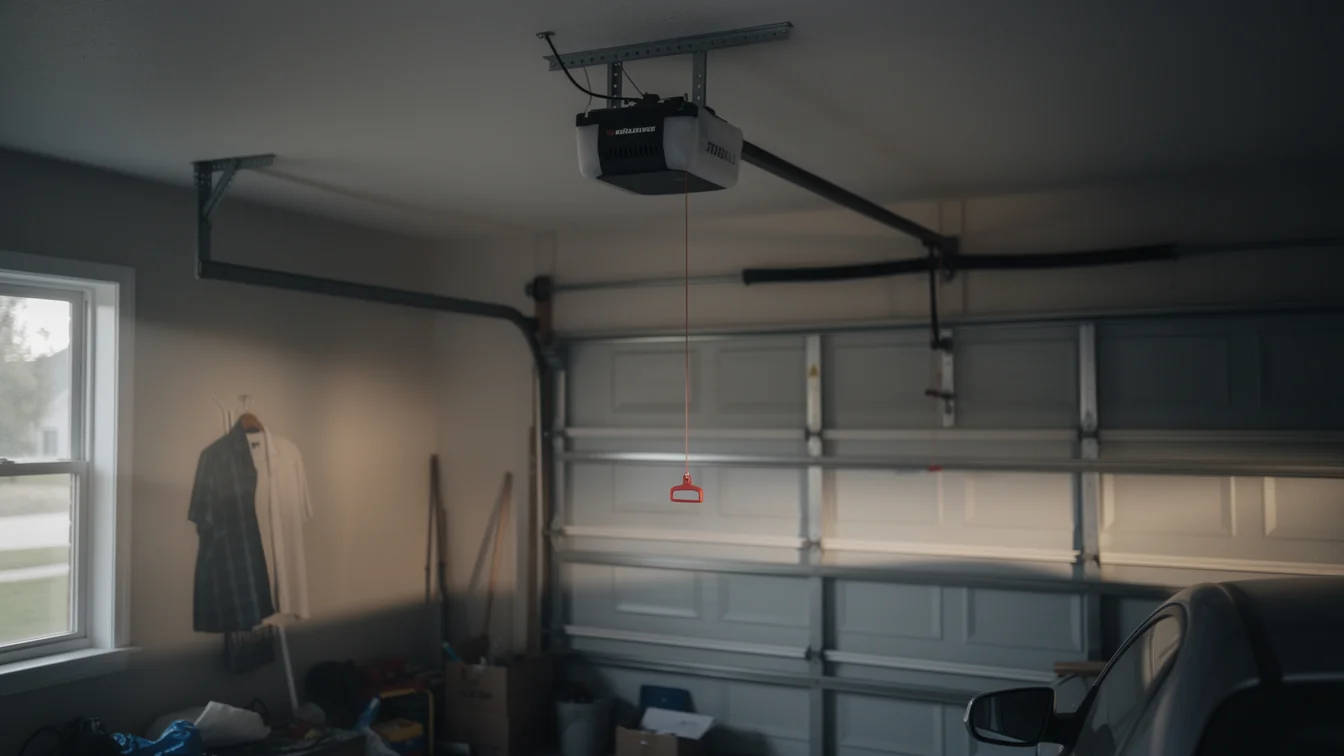
 When the Power Goes Out, Your Opener Doesn't Know What Year It Is
Bartlett's 1972-2005 housing stock and cold-moderate winters mean opener failures and power cuts hit different doors in different ways.
The Noise Your Door Is Making Isn't Random
Bartlett homes built 1972-2005 make specific noises as they age. Here's what grinding, popping, and squealing mean on this housing stock and climate.
Local detail
What the Weather Here Does to It
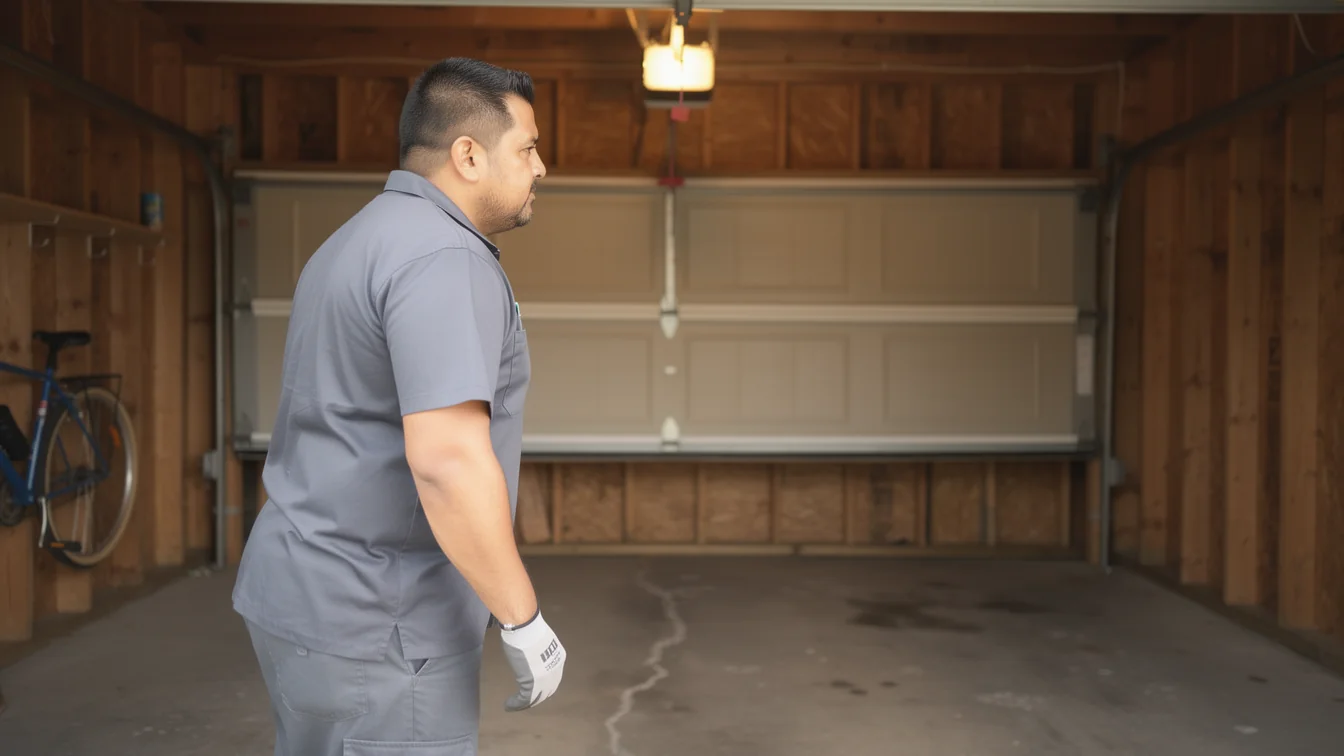
Bartlett sits in a cold-moderate climate band, which means the door in your garage isn't dealing with brutal winters, but it is dealing with swings. A 40-degree morning followed by a 65-degree afternoon makes steel track and galvanized hardware expand and contract, and that movement is where a lot of the noise comes from. Rollers that ride smooth in July start chattering in January because the grease has stiffened and the clearance in the track has changed by a hair. That's not the door failing. That's the door reacting to temperature the way every steel assembly does.
What it's not dealing with is the kind of deep freeze-thaw cycling you'd get further north, which is actually relevant here: springs in this climate don't usually snap from cold-shock the way they do in harsher bands. When a torsion spring goes in a Bartlett garage, it's almost always fatigue from cycle count, not weather. Keep that distinction in mind before you blame a cold morning for a spring that was simply due.
The area
The Cost of This Job
I'm not going to hand you a number here, because what a noise costs to fix depends on what's actually making it, and I don't have pricing figures I can put on this page honestly. What I can tell you is how the age of your door changes the math. A lot of the doors we see are riding on original 1980s and 90s hardware, and parts for that generation aren't always sitting on a shelf the way current stock is. A worn roller on a door from that era might mean swapping the whole roller set rather than one piece, simply because the sizing doesn't match what's made today.
The honest limitation: if your door and opener are both original to a house from that window, there's a point where chasing individual noises stops making sense and a full opener or door swap is the better money. We'll tell you straight when we think you're past the fix-it stage instead of running up a bill on a door that's circling the drain anyway.
What we find
What Is Going On
Most of the houses we work on here went up between 1972 and 2005, with the median build year landing around 1998. That one fact explains a surprising amount of the noise calls we get. Doors from that stretch were built with steel rollers, not the sealed nylon rollers that came later, and steel-on-steel is loud by design once the lubrication wears thin. A grinding sound on the way up is usually that: dry steel rollers in a track that hasn't seen lubricant in years.
A sharp bang, usually, is a different story - that's a torsion spring, and on a door this age it has likely done more open-close cycles than the spring was rated for. A rhythmic thump once per rotation points at a flat spot on a roller or a bent section of track, both common on hardware that's been in service since the 80s or 90s. None of these are mysteries. They're what happens to steel and springs after decades of daily use, and the fix is almost always matched to the specific part making the sound, not the whole door.
How we work
The Seasonal Bit
The noise complaints we get shift with the season, and it's tied directly to that cold-moderate swing. Late fall into winter is when squealing and grinding calls spike, because the summer's heat-softened grease has firmed back up and steel parts that were quiet in August start talking in November. Spring brings a different kind of call - looser, rattling sounds, as everything that contracted over winter expands back out and hardware that was already a little worn finds its play again.
Across the neighborhoods we cover - Daybreak a mile out, out toward Cordova and Raleigh, up past Blaydes Estates - the pattern holds regardless of which side of town you're on, because it's the climate band doing the work, not the street. If your door has been quiet all summer and starts up the first cold week, that's not coincidence. That's the exact mechanism at play, and it's worth a look before the noise turns into a stuck door on the coldest morning of the year.
Questions
Common questions
Why does my garage door only make noise in the morning?
Cold air overnight stiffens grease and tightens metal-to-metal clearances in the track, so the first run of the day is the loudest. Once the door's cycled a few times and things warm up slightly, the same door often quiets down. It's a sign the hardware needs fresh lubricant, not necessarily a sign of a bigger problem.
Is a loud door dangerous, or just annoying?
It depends on the source. A noisy roller or dry hinge is usually just annoying and gradual. A loud bang or a door that suddenly feels heavy to lift can mean a torsion spring has gone, and that's a safety issue - springs under tension can injure someone who doesn't know what they're dealing with. Don't try to force that door open.
My house was built in the 90s - is that why my door sounds like this?
Likely yes. A lot of Bartlett-area houses were built in that window, and original steel rollers and track from that era are a common source of grinding and squealing decades later. It doesn't mean something's wrong beyond normal wear, but it does mean the parts are old enough that matching replacements takes a little more care.
Should I just replace the whole door instead of fixing the noise?
Sometimes, but not usually for noise alone. If the door and opener are both original and you're looking at multiple worn parts at once, replacement can make more financial sense than piecemeal repairs. If it's one bad roller or a dry hinge, a targeted fix is almost always the right call first.
Recommendation
You Might Also Like
More garage door guides for Bartlett homeowners.
When the Power Goes Out, Your Opener Doesn't Know What Year It Is
Bartlett's 1972-2005 housing stock and cold-moderate winters mean opener failures and power cuts hit different doors in different ways.
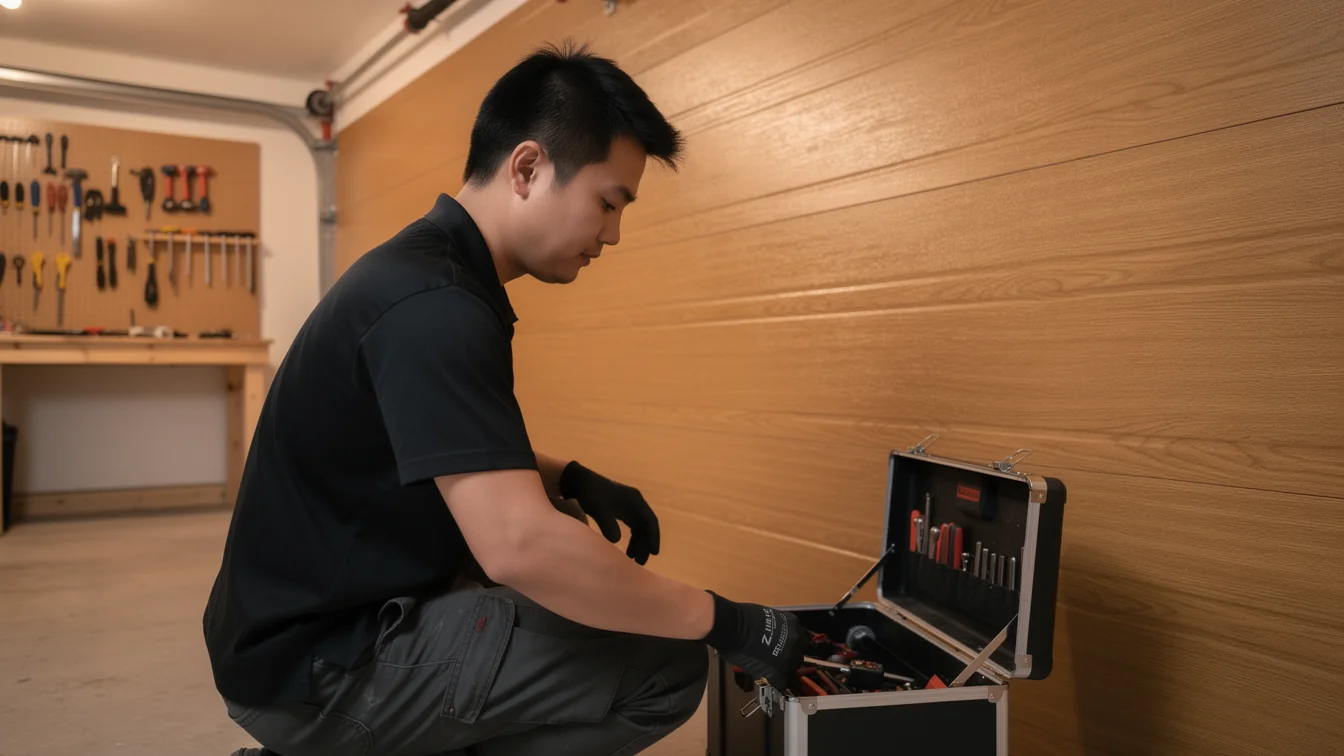 What Actually Happens When We Come Out to Your Door
A straight look at what Bartlett Garage Door Pros actually does on a service call, tied to this town's 1972-2005 housing stock and cold-moderate climate swings.
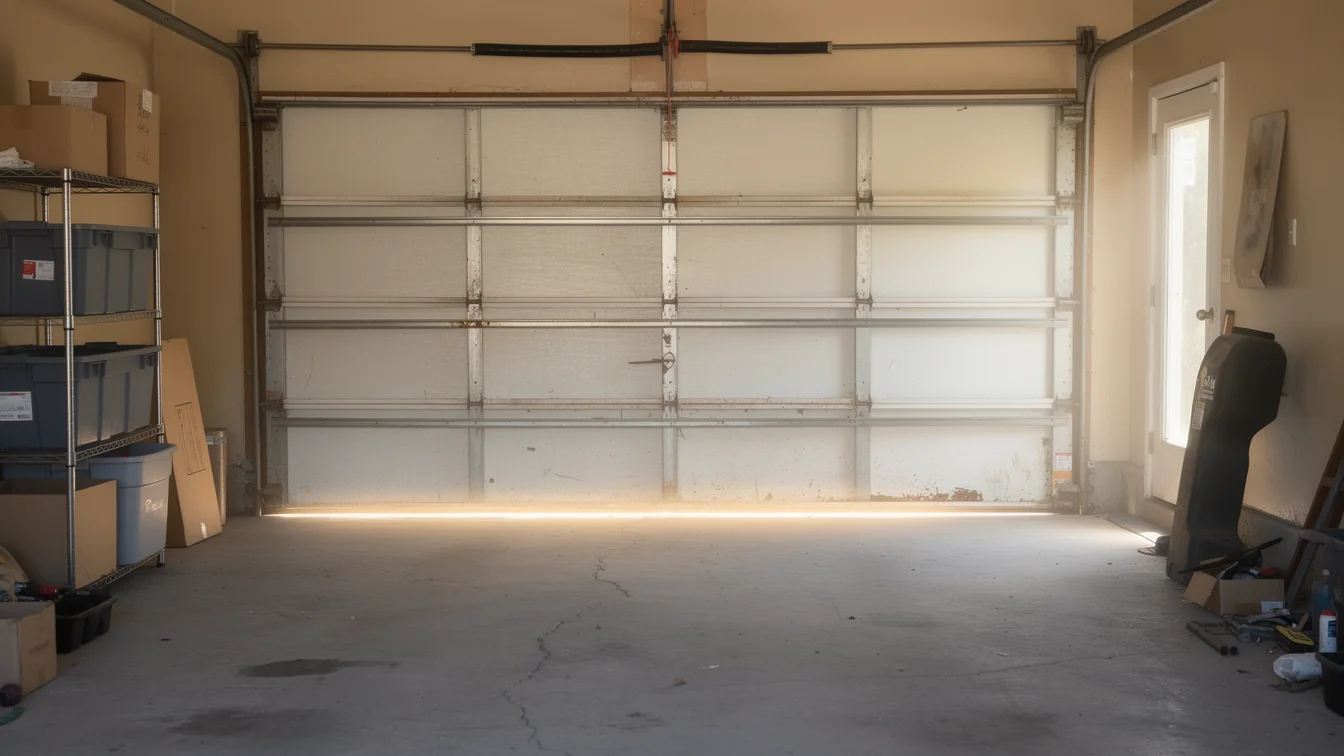 Why So Many Bartlett Garage Doors Are Still Single-Layer Steel
Most Bartlett houses went up between 1972 and 2005, median 1998, before thicker insulated doors were standard.
Ready when you are
Need a garage door sorted in Bartlett?
Bartlett Garage Door Pros repairs and installs garage doors, springs and openers in Bartlett, TN and the surrounding area.
Certified Experts
Quality Assured